AndreaMastroni
- Bass

About Andrea
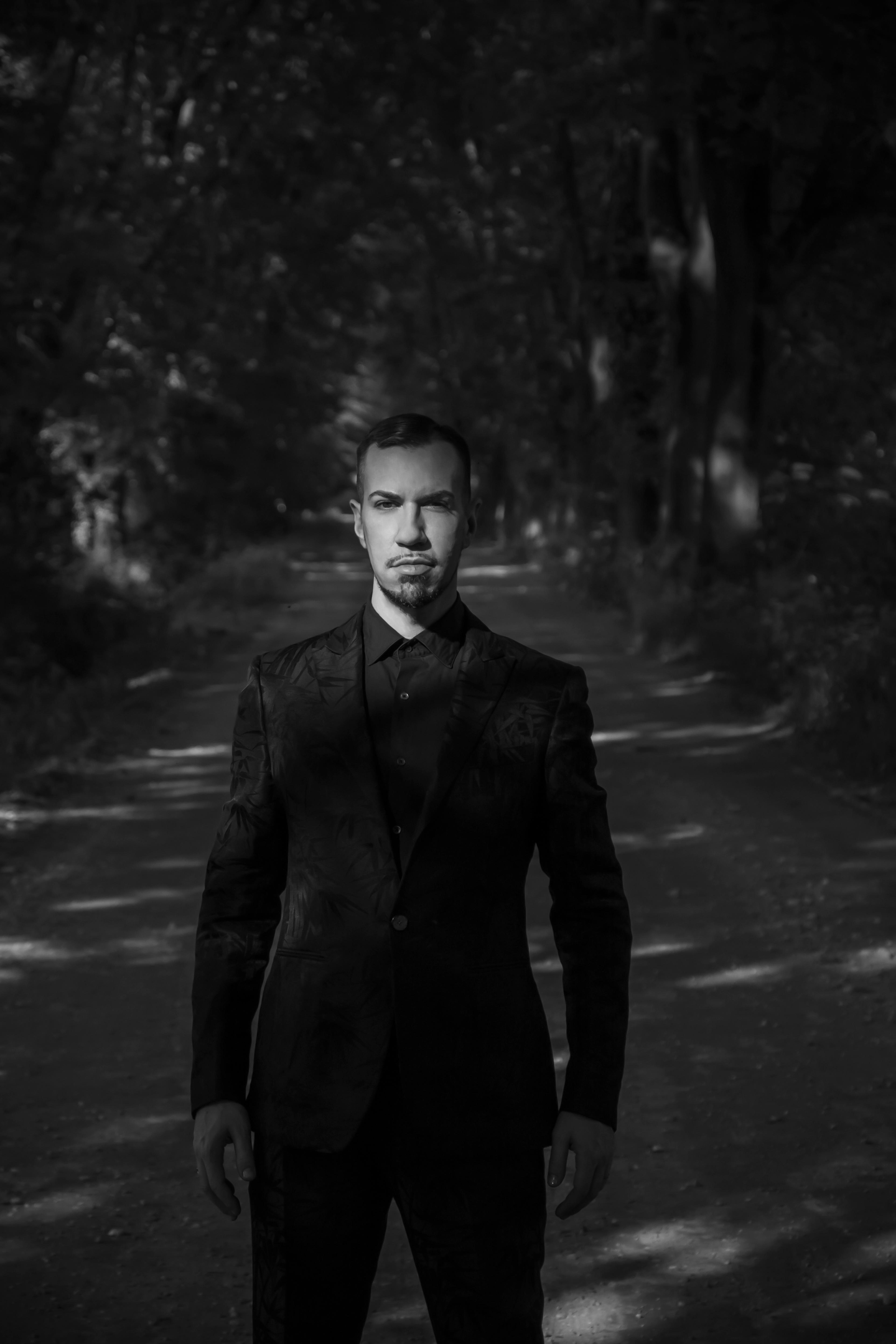
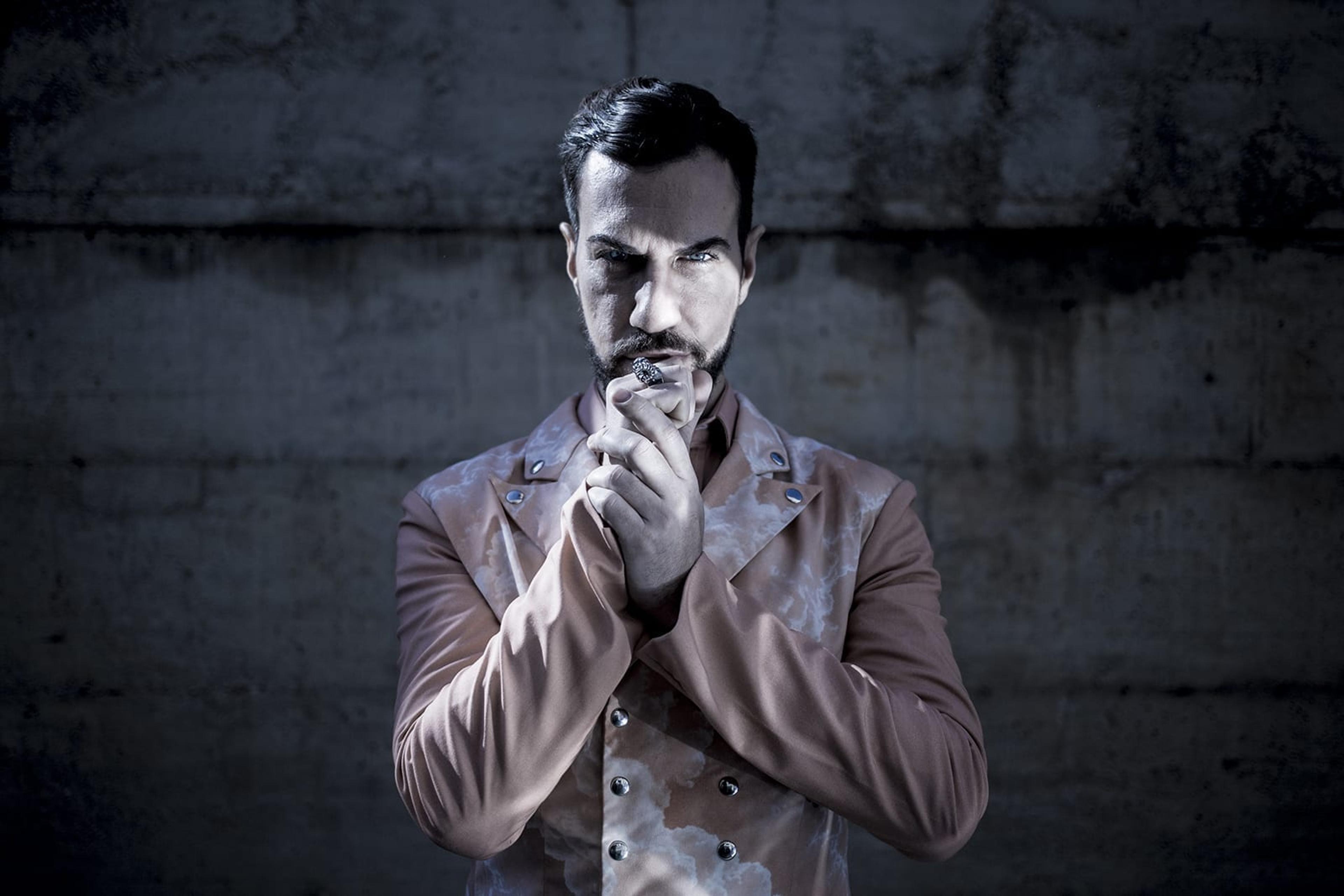
Italian bass Andrea Mastroni began his musical education as a clarinettist before turning to vocal studies at the Istituto Claudio Monteverdi in Cremona. His awards include the Mario Basiola Prize (2005), the Giuseppe Di Stefano Prize for his portrayal of Sparafucile in Rigoletto, the Bibiena Prize (2007), and the XXXVII Premio Franco Abbiati for his performance in Perocco's Aquagranda at Teatro La Fenice.
Andrea's extensive repertoire includes Rocco in Fidelio, Seneca in L'incoronazione di Poppea, Hunding in Die Walküre, Selim in Il turco in Italia, the King of Scotland in Ariodante, Daland in Der fliegende Holländer, Sarastro in Die Zauberflöte, Gremin in Eugene Onegin, Licomede in Achille in Sciro, Mustafà in L'italiana in Algeri, the Grand Inquisitor in Don Carlo, and the title roles in Don Giovanni and Don Pasquale, among many others.
He has appeared at many of the world's leading opera houses, including the Metropolitan Opera, Teatro alla Scala, Opernhaus Zürich, Teatro Real Madrid, Bayerische Staatsoper, Deutsche Staatsoper, Hamburgische Staatsoper, Royal Opera House Covent Garden, Théâtre des Champs-Élysées and Teatro Massimo di Palermo.
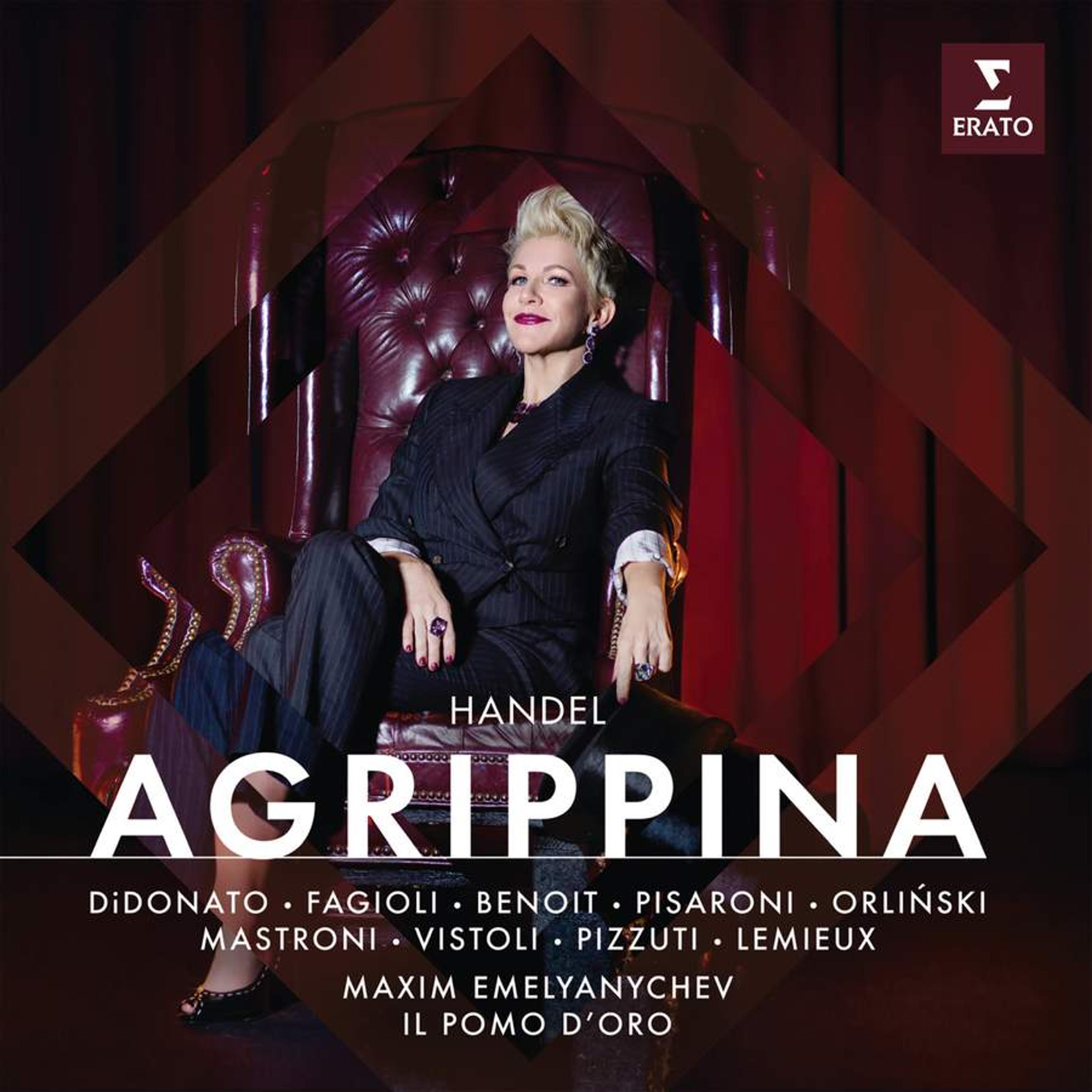
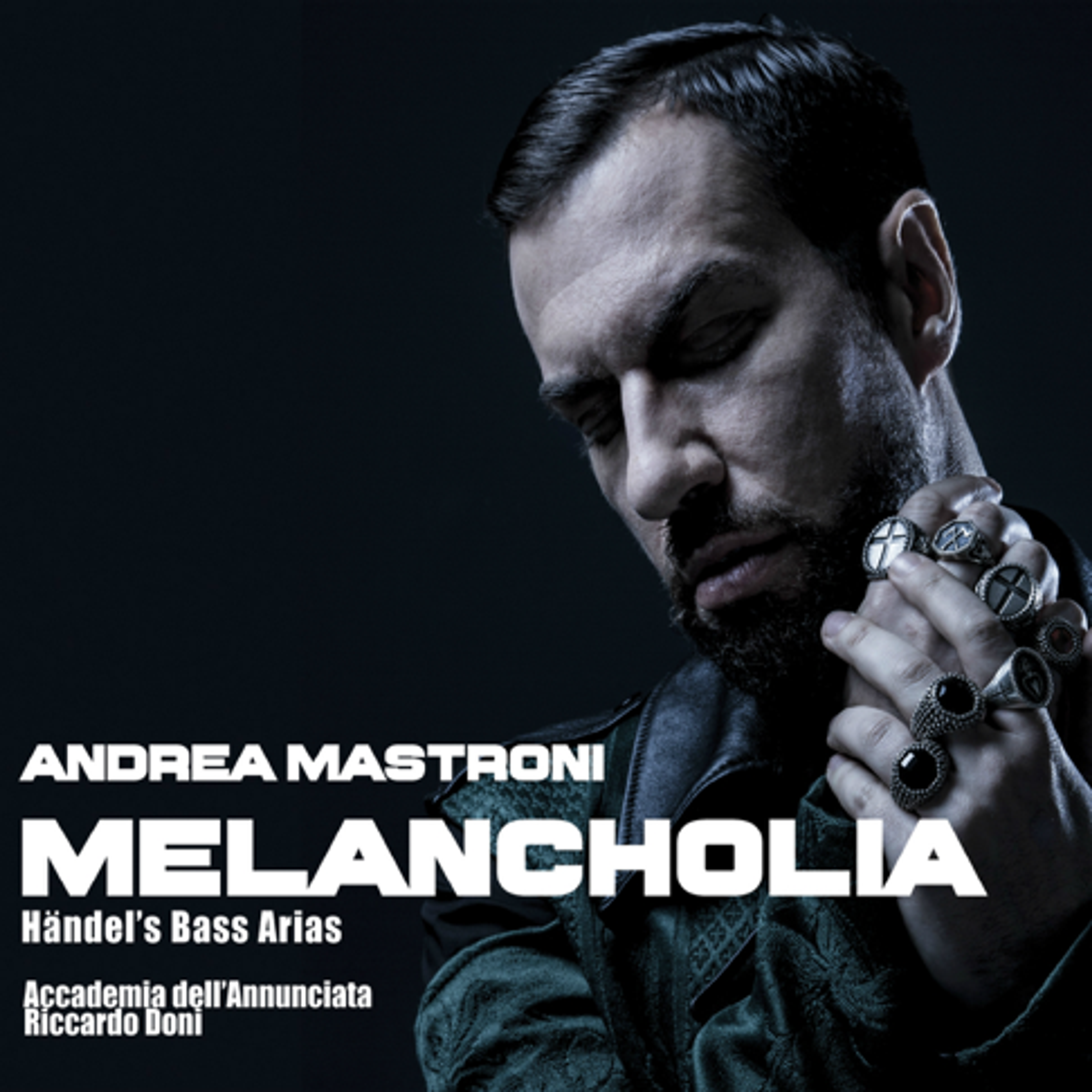
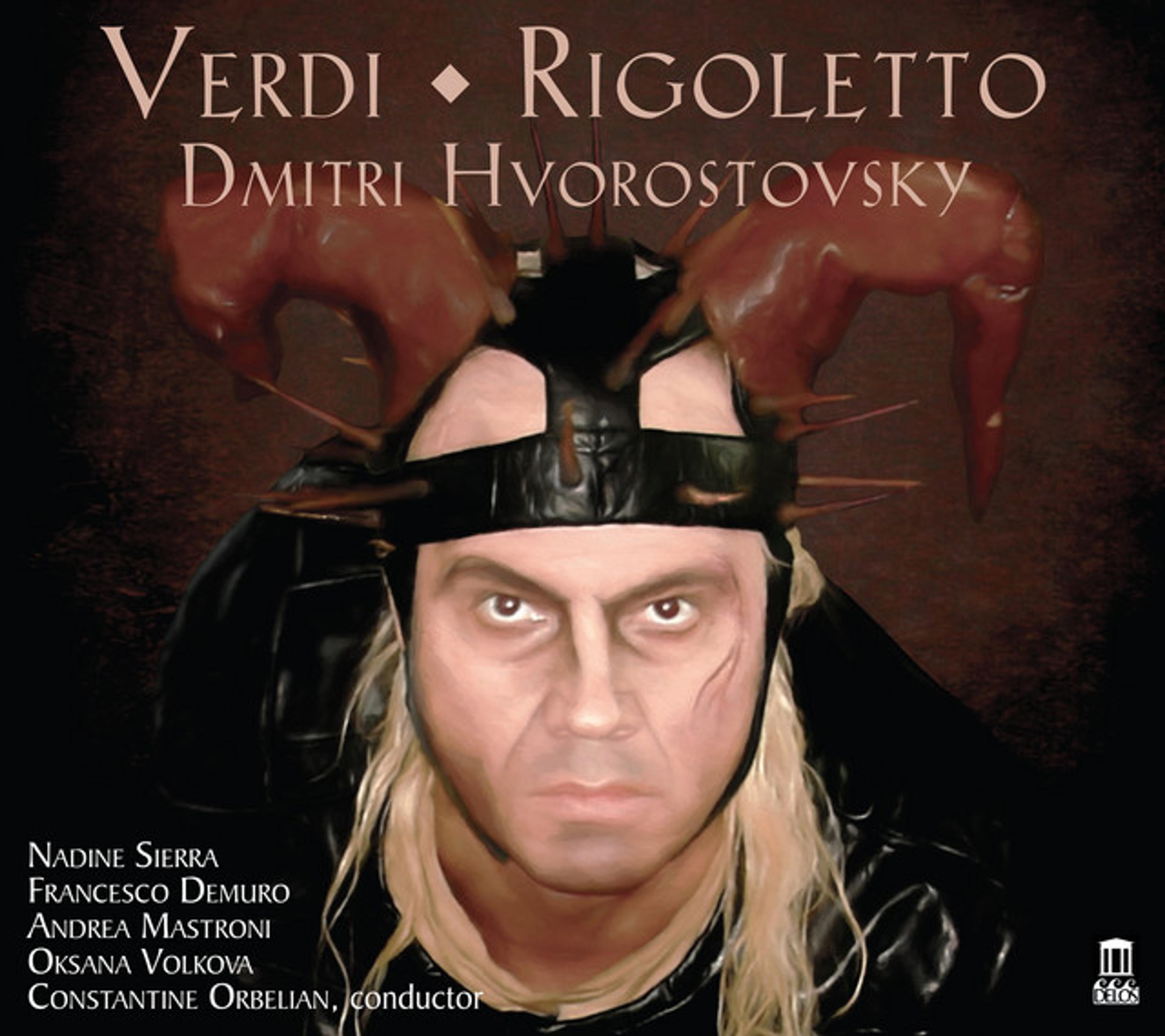
An acclaimed recording artist, Andrea's solo album Melancholia – Handel Arias for Bass was recorded with Accademia dell'Annunciata. He also features on the 2020 Gramophone Award-winning recording of Handel's Agrippina (Erato) with Il Pomo d'Oro and Maxim Emelyanychev, as well as on the Metropolitan Opera's 2022 recording of Rigoletto.
In the 2026/2027 season engagements include Timur in Puccini's Turandot at Opéra Royal de Wallonie-Liège and performances at the Rossini Opera Festival in Pesaro, including Rossini's Tancredi.


Representation
General management with Askonas Holt
Season Highlights
Video
- Playing
Andrea Mastroni performs 'Hat man nicht auch Gold beineben' from Beethoven's Fidelio
Credit: Opera de Oviedo
Andrea Mastroni performs at the Museo Teatrale alla Scala, Milan in celebration of La Festa della Musica
He sings Rocco's aria 'Hat man nicht auch Gold beineben' from Fidelio, 'Der Neugierige' from Schubert's Die schöne Müllerin cycle, and Mustafa's aria 'Già d'insolito ardore nel petto' from L'italiana in Algeri, accompanied by James Vaughn. Credit: Teatro alla Scala
Andrea Mastroni sings Garibaldo in Handel’s Rodelinda
Credit: Opera de Lille
Andrea Mastroni sings “Fra l’ombre e gl’orrori”
Aci Galatea e Polifemo HWV 72 Andrea Mastroni, bass Riccardo, conductor and cembalo Accademia dell’Annunciata Orchestra Credit: Andrea Mastroni
Audio
- Andrea Mastroni as Mustafà in Rossini' Italiana in AlgeriCredit: Toulon Opera
- Andrea Mastroni sings Duparc's 'L'invitation au voyage' from his album LamentoCredit: Brilliant Classics
- Andrea Mastroni sings Duparc's 'Le manoir de Rosemonde' from his album LamentoCredit: Brilliant Classics
- Andrea Mastroni sings Duparc's 'Phidylé' from his album LamentoCredit: Brilliant Classics

Selected Repertoire
Bartók
Bluebeard’s Castle (Bluebeard)
Beethoven
Fidelio (Rocco)
Bellini
La Sonnambula (Rodolfo) • Norma (Oroveso)
Berlioz
L’enfance du Christ (Herode)
Boito
Mefistofele
Cavalli
La Calisto (Giove)
Debussy
Pelléas et Mélisande (Arkel)
Donizetti
Don Pasquale • Lucia di Lammermoor (Raimondo)
Halevy
La Juive (Cardinal de Brogni)
Handel
Agrippina (Claudio) • Ariodante (Il Re di Scozia) • Giulio Cesare (Achilla) • Jephtha (Zebul) • Orlando (Zoroastro) • Rodelinda (Garibaldo) • Semele (Cadmus and Somnus) • Tolomeo, re d’Egitto (Araspe) [415hz]
Massenet
Don Quichotte
Metastasio
L’Olimpiade (Clistene)
Monteverdi
Il ritorno d’Ulisse in patria (Nettuno/Antino) • L’ Incoronazione di Poppea (Seneca) • Orfeo (Caronte & Plutone) •
Mozart
Die Zauberflöte (Sarastro) • Die Entführung aus dem Serail (Osmin) • Don Giovanni • Così fan tutte (Don Alfonso)
Ponchielli
La Gioconda
Puccini
Turandot (Timur)
R. Strauss
Der Rosenkavalier (Baron Ochs) • Elektra (Oreste)
Rameau
Platée (Cithéron)
Rossini
Aureliano in Palmira • Italiana in Algeri (Mustafà) • Il Turco in Italia (Selim) • Il Viaggio a Reims (Lord Sidney) • Le comte Ory (Le Gouverneur) • Moïse et Pharaon (Moïse) • Tancredi (Orbazzano)
Stravinsky
Oedipus Rex (Tiresias)
Thomas
Hamlet (Claudius)
Verdi
Don Carlo (Il Grande Inquisitore) • Ernani (Don Ruy Gomez de Silva) • Luisa Miller (Wurm) • I Vespri Siciliani (Procida)
Wagner
Parsifal (Gurnemanz) • Tristan und Isolde (König Marke) • Die Walküre (Hunding) • Der fliegende Holländer (Daland)
News
Press
Il Ritorno d’Ulisse in Patria (Monteverdi)
Wiener StaatsoperApr 2023Andrea Mastroni stach als tief hinunterorgelnder Nettuno heraus [translated] 'Andrea Mastroni stood out as a scheming Neptune.'
- Michael Wruss, Oberösterreichische Nachrichten
- 03 April 2023
Andrea Mastroni verströmt Bassautorität als Neptun. [translated] Andrea Mastroni exudes bass authority as Neptune
- Martin Gasser, Kleine Zeitung Steiermark
- 03 April 2023
Stimmlich stark auch die Götter, allen voran Isabel Signorets wohltimbrierte Minerva und Andrea Mastronis abgründigtiefer Neptune [translated] Also vocally strong are the gods, above all Isabel Signoret's well-timbered Minerva and Andrea Mastroni's evil Neptune.
- Miriam Damev, Falter: Woche
- 03 April 2023
Rigoletto (Verdi)
The Metropolitan Opera, New YorkDec 2021Andrea Mastroni was an estimable Sparafucile, very expressive in acting. He left great vocal details, with a nocturnal, fleshy and seasoned instrument that the artist knew how to handle with pleasure.
- Carlos Javier López Sánchez, Opera World
- 15 January 2021
Andrea Mastroni was a charismatic Sparafucile. His first entrance during his exchange with Rigoletto,” Quel vecchio maledivami” wasn’t haunting nor was it dangerous. Instead, it was lyrical and youthful. Mastroni sang with legato lines that emphasized a mischievous Sparafucile. However, when he went into his lower voice, one sensed the dangerous potential especially in his final “Sparafucile,” which resonated with darkness. In the Act three trio, this Sparafucile wasn’t as domineering with his sister and you could sense a more balanced relationship. Mastroni’s singing was determined and filled with a booming sound. In many ways, you could hear the sound of his voice feel reminiscent of laughter.
- Francisco Salazar, Operawire
- 15 January 2021
Aci Galatea e Polifemo [CD]
Oct 2021Mastroni’s portrayal adds to the impression as his voice possesses an engaging sincerity and nobility. His opening aria “Affanno tiranno” is an emotionally powerful statement which highlights Polifemo’s sensitive nature, and his awareness of the torment and pain love can bring. Perhaps the finest aria on the disk is “Fra l’ombre e gl’orrori” in which Polifemo bemoans his fate at losing Galatea in what is a fascinating rendition. Mastroni uses the full range of his voice to detail his pain, moving with ease from a low D, in which his dark toned voice rumbles among its subterranean depths, to an A in the treble clef, where his acute pain can almost be physically felt. Mastroni also wonderfully captures Polifemo’s humanity in his final recitative in which he laments his fate, realizing that even in killing Aci he has achieved nothing. His phrasing is clear, balanced, yet so full of pain. Such is the emotional strength of his singing, it is impossible not to sympathize with him.
- Alan Neilson, OperaWire
- 06 December 2021
Andrea Mastroni as Polifemo shines in the most virtuosic music Handel ever composed for a bass-baritone, a bonkers part whose range extends from low D to A in the treble clef.
- BBC Music Magazine
- 27 October 2021